
Traffic is expensive. Wasting it is even more expensive.
If people land on your page and leave without buying or signing up, the problem usually isn't your product. It's the path you're asking them to walk.
That path is your sales funnel. And the tool you build it with makes a huge difference.
Here are the 9 best sales funnel tools for 2027. We'll show you what each one does well, where it falls short and what it really costs over a full year.
What Is a Sales Funnel Tool?
A sales funnel tool lets you build the pages that move someone from "just looking" to "take my money."
That usually means an opt-in page to collect emails, a sales page, a checkout, and maybe an upsell and a thank you page. Good tools also send follow-up emails and track what's working.
Without one, you'd be stitching together a website builder, an email tool, a payment plugin and an analytics app. That gets messy and expensive.
What to Look For
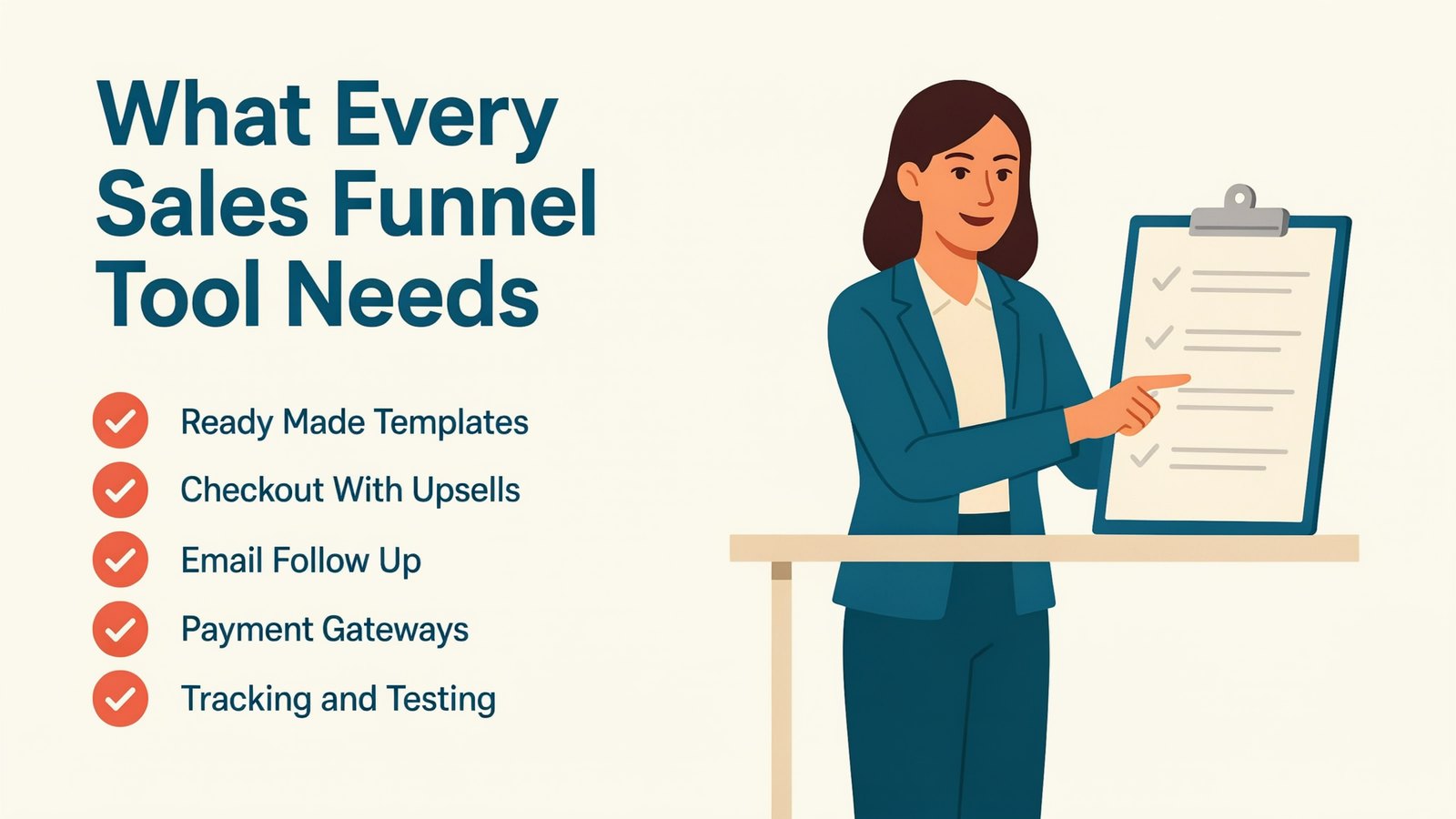
- Ready-made templates so you aren't designing from a blank page.
- Drag and drop editing. No code needed.
- Checkout with upsells, downsells and order bumps. This is where profit lives.
- Built-in email follow-up. Most sales happen after the first visit.
- Payment gateways that work in your country.
- Tracking and split testing so you know what to fix.
- A price that doesn't punish growth. Many tools charge more as your list grows.
Quick Comparison
| Tool | Best For | Free Option | Starting Price |
|---|---|---|---|
| CloudFunnels | Marketers who want everything without monthly bills | 30 day refund | $67 a year |
| Systeme.io | Beginners on a tight budget | Free plan | $17/mo |
| ClickFunnels | Big launches and proven templates | Free trial | $81/mo paid yearly |
| GoHighLevel | Agencies managing clients | Free trial | $97/mo |
| Kartra | Coaches and course sellers | 30 day refund | $59/mo |
| Leadpages | Fast landing pages | Free trial | $49/mo |
| FunnelKit | WooCommerce stores | Free version | $99 a year |
| Thrive Suite | WordPress site owners | 30 day refund | $299 a year |
| Kajabi | Creators selling courses | Free trial | $143/mo paid yearly |
1. CloudFunnels
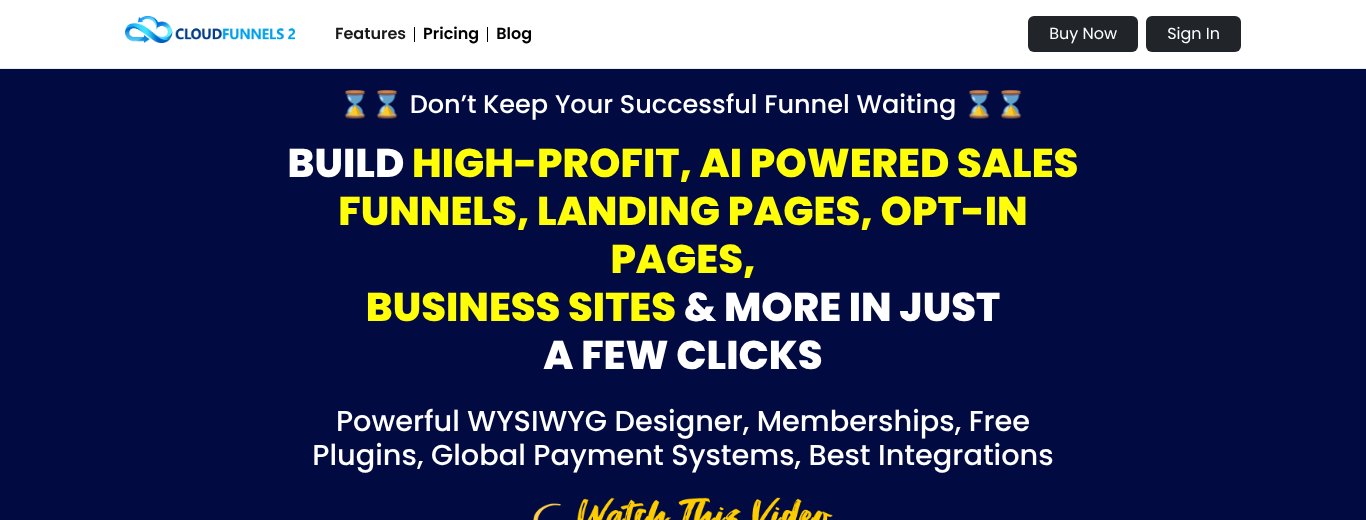
CloudFunnels is an all-in-one funnel builder that installs on your own hosting with one click. That means you own your funnels, your pages and your email list.
You get 180+ ready-made funnel and opt-in templates, a drag and drop designer and built-in AI that writes headlines, calls to action, sales copy and emails for you.
It handles the full journey. Opt-in pages, sales pages, upsells, downsells, order bumps, membership areas and a built-in autoresponder for follow-up emails.
It also supports 25+ payment gateways, including Stripe and PayPal, plus ClickBank, JVZoo and WarriorPlus. Dozens of free plugins and GDPR-friendly cookie consent are included too.
Why It's the Best Value
Most funnel builders charge every single month, and the bill grows with your list. CloudFunnels costs $67 a year. That's less than one month of ClickFunnels or GoHighLevel.
And because the email autoresponder and plugins are built in, you don't need to pay for extra tools on top.
Pros
- Lowest yearly cost on this list
- You own your funnels and list on your own hosting
- Built-in AI, email, memberships and free plugins
- 25+ payment gateways
Cons
- You need your own web hosting
- Fewer third-party community templates than ClickFunnels
Pricing
$67 a year, with a 30 day refund.
2. Systeme.io
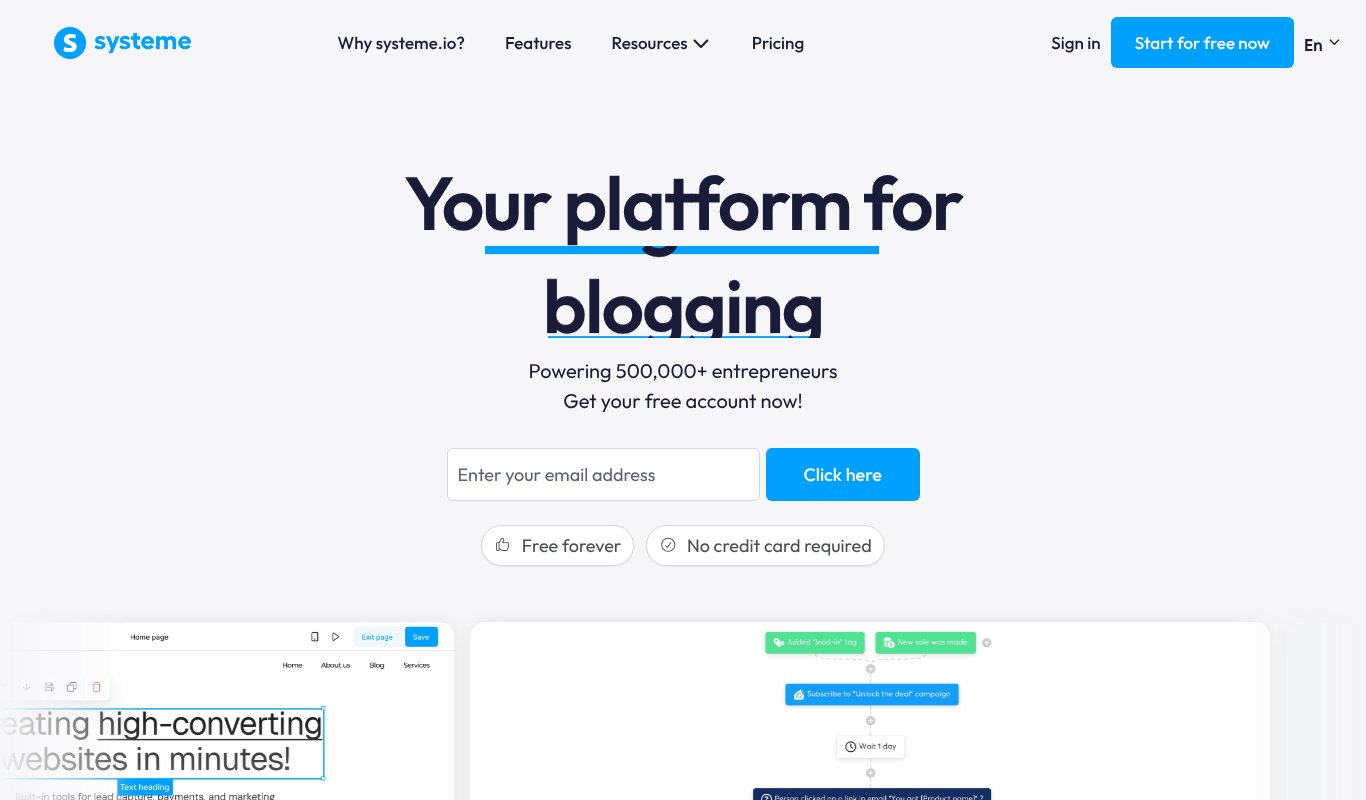
Systeme.io is famous for its free plan. You get funnels, email marketing, a course, a blog and an affiliate program, all in one place.
It's simple and beginner friendly. Pricing is based on how many contacts you have.
Designs are a bit basic, and you'll move to paid plans once your list passes 2,000 contacts.
Pros
- Generous free plan
- Very easy to learn
- Email and courses included
Cons
- Basic design options
- Price rises with your contact list
Pricing
Free for up to 2,000 contacts. Startup is $17 a month, Webinar is $47 and Unlimited is $97.
3. ClickFunnels
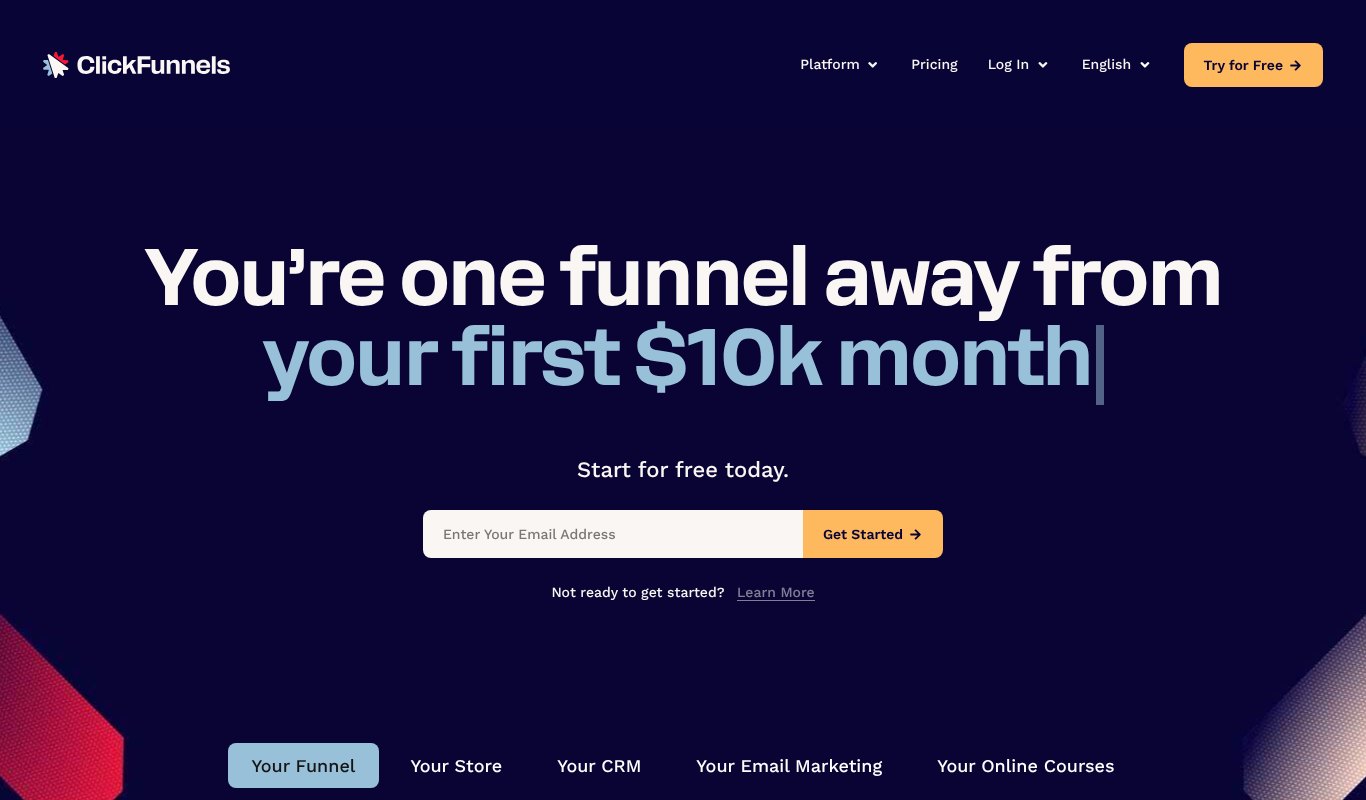
ClickFunnels is the name that made "sales funnel" a household phrase for marketers.
It has a huge library of proven templates, a big community and features for stores, courses, email and a CRM.
It's powerful. It's also pricey, especially when you add up a full year.
Pros
- Proven templates
- Big community and training
- All-in-one platform
Cons
- Expensive for beginners
- Can feel overwhelming
Pricing
Launch is $81 a month, billed yearly. Scale is $164 and Optimize is $248 a month.
4. GoHighLevel
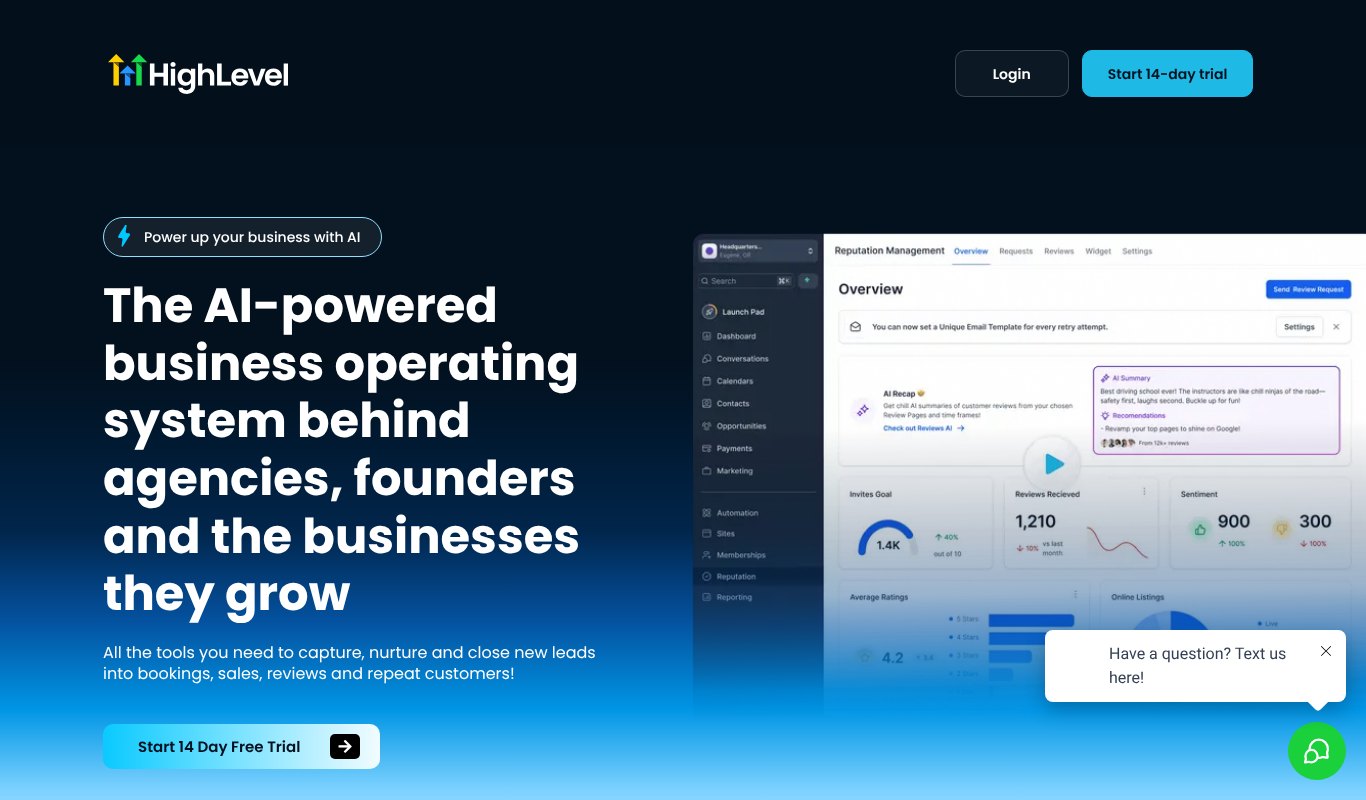
GoHighLevel is built for agencies. It combines funnels, a CRM, email, SMS, calendars, reviews and automation, and lets you manage many clients from one account.
Agencies can even resell it under their own brand.
For a single small business, it's often more than you need, and the learning curve is real.
Pros
- Huge feature set
- Great for agencies
- White label option
Cons
- Steep learning curve
- Phone and email usage costs extra
Pricing
Starter is $97 a month, Unlimited is $297 and Pro is $497 a month. 14 day free trial.
5. Kartra
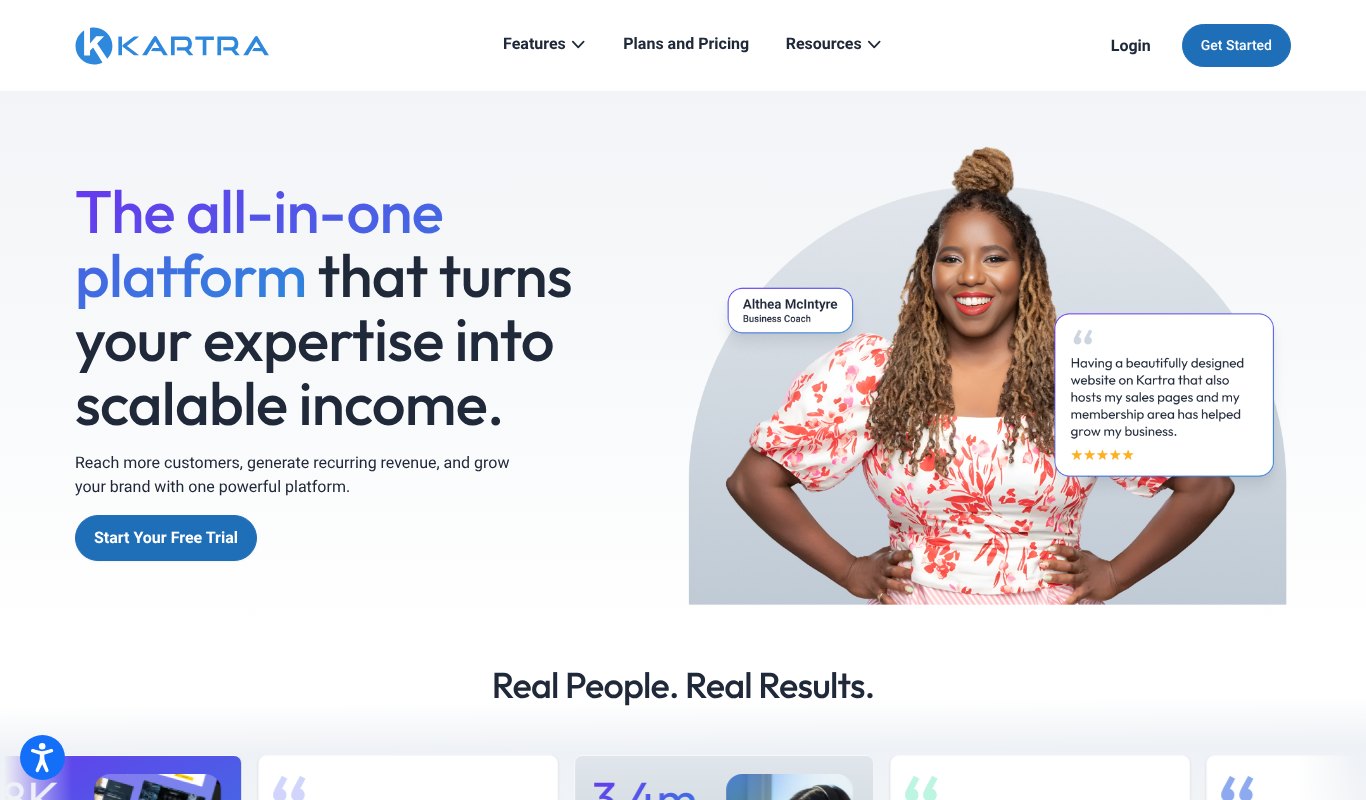
Kartra is an all-in-one platform for coaches, experts and course sellers. It covers pages, checkout, email, memberships, video hosting and a help desk.
Everything works together nicely, which saves setup time.
Plans are tied to contacts and features, so costs climb as you grow.
Pros
- Truly all-in-one
- Good for courses and memberships
- 30 day money back guarantee
Cons
- Costs climb quickly
- Editor can feel dated in places
Pricing
Essentials is $59 a month. Starter is $119, Growth is $229 and Professional is $549 a month.
6. Leadpages
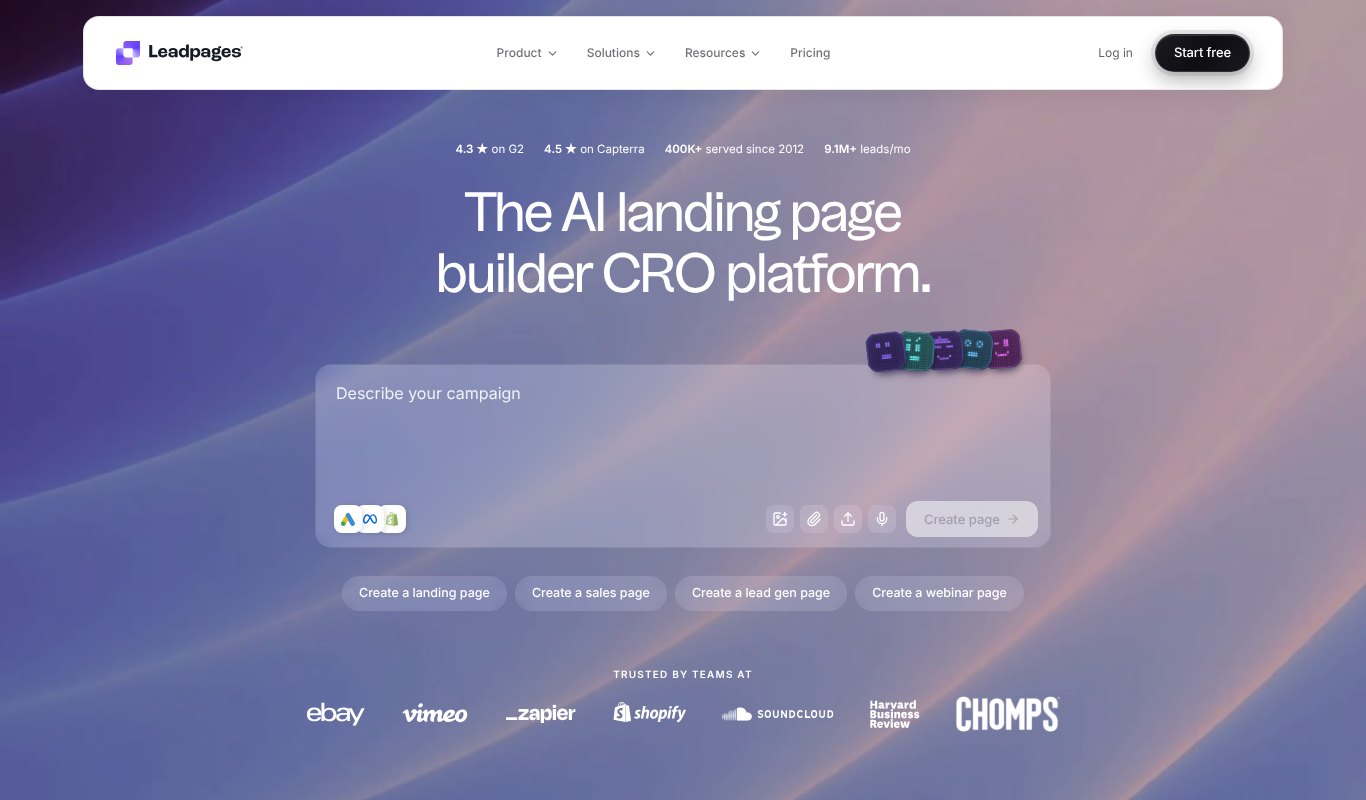
Leadpages focuses on one thing. Fast, good-looking landing pages that convert.
Describe your campaign and its AI builds a page. There are no traffic caps on any plan, which is a nice change from some rivals.
It's not a full funnel system, so you'll still need separate tools for email and checkout.
Pros
- Quick, clean landing pages
- No traffic caps
- AI page builder
Cons
- Not a full funnel or email tool
- A/B testing costs more
Pricing
Business is $49 a month. Testing features start with Grow at $99 a month.
7. FunnelKit
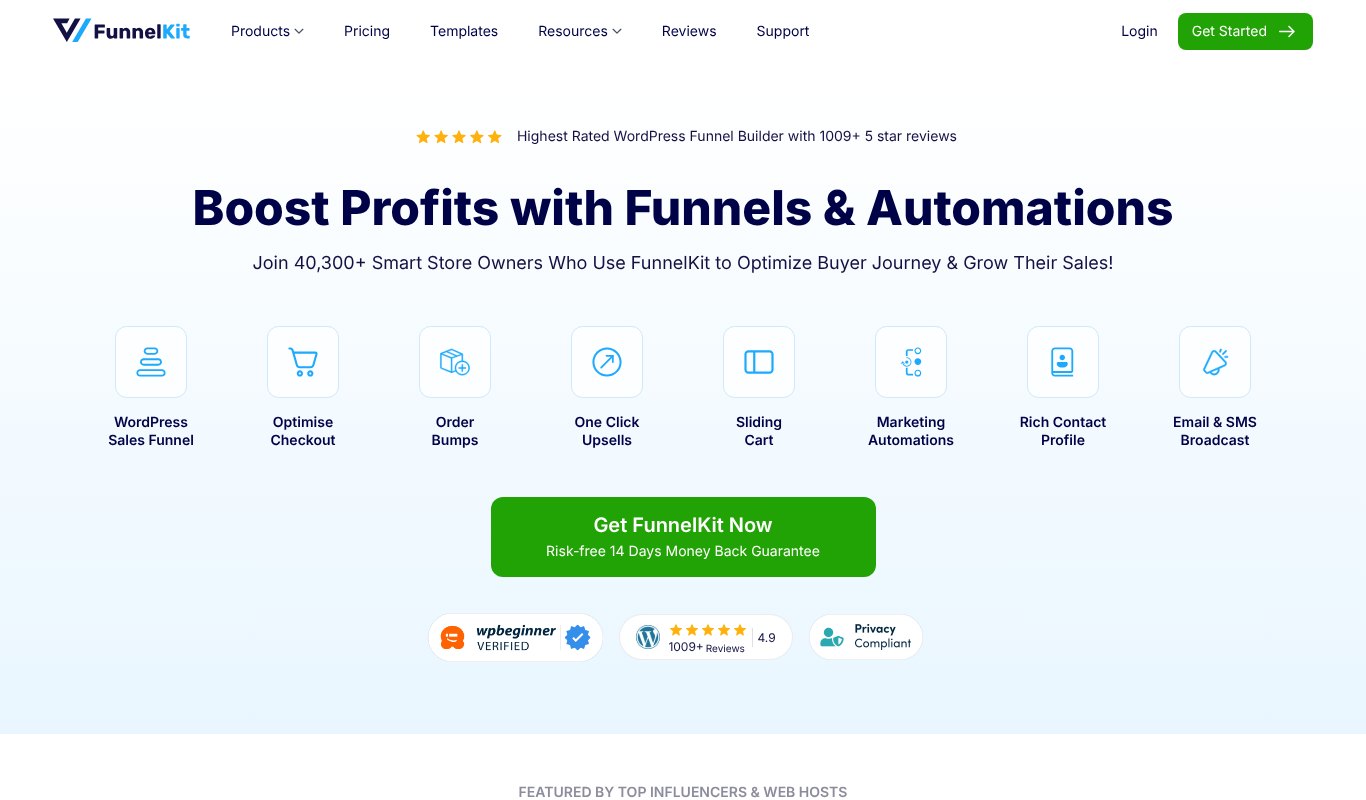
FunnelKit is a WordPress plugin built for WooCommerce stores. It replaces the default checkout with faster, better-converting checkouts and adds one-click upsells and order bumps.
It also has marketing automation for emails and SMS.
If you already run a WooCommerce store, it fits right in. If you don't use WordPress, skip it.
Pros
- Best for WooCommerce
- One-click upsells and order bumps
- Free version available
Cons
- WordPress only
- Higher plans needed for automations
Pricing
Free version available. Paid plans start at $99 a year.
8. Thrive Suite
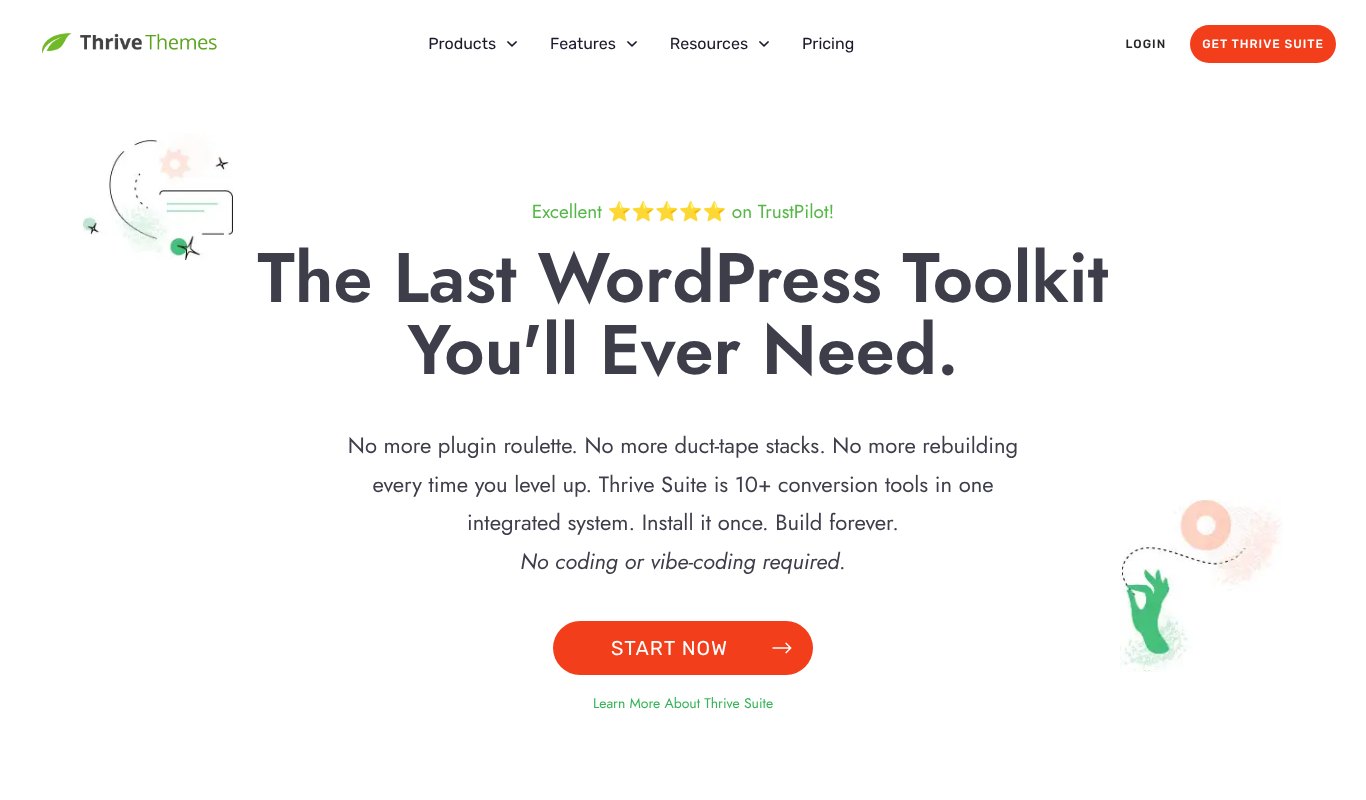
Thrive Suite is a bundle of 10+ WordPress tools. It includes a theme builder, landing pages, lead forms, quizzes, A/B testing and a course builder.
It's great value if you want to build funnels inside your WordPress site.
There's no built-in email sending, so you'll connect an email service.
Pros
- Many tools in one bundle
- Strong landing pages and lead forms
- Yearly pricing
Cons
- WordPress only
- No built-in email sending
Pricing
Thrive Suite is $299 a year.
9. Kajabi
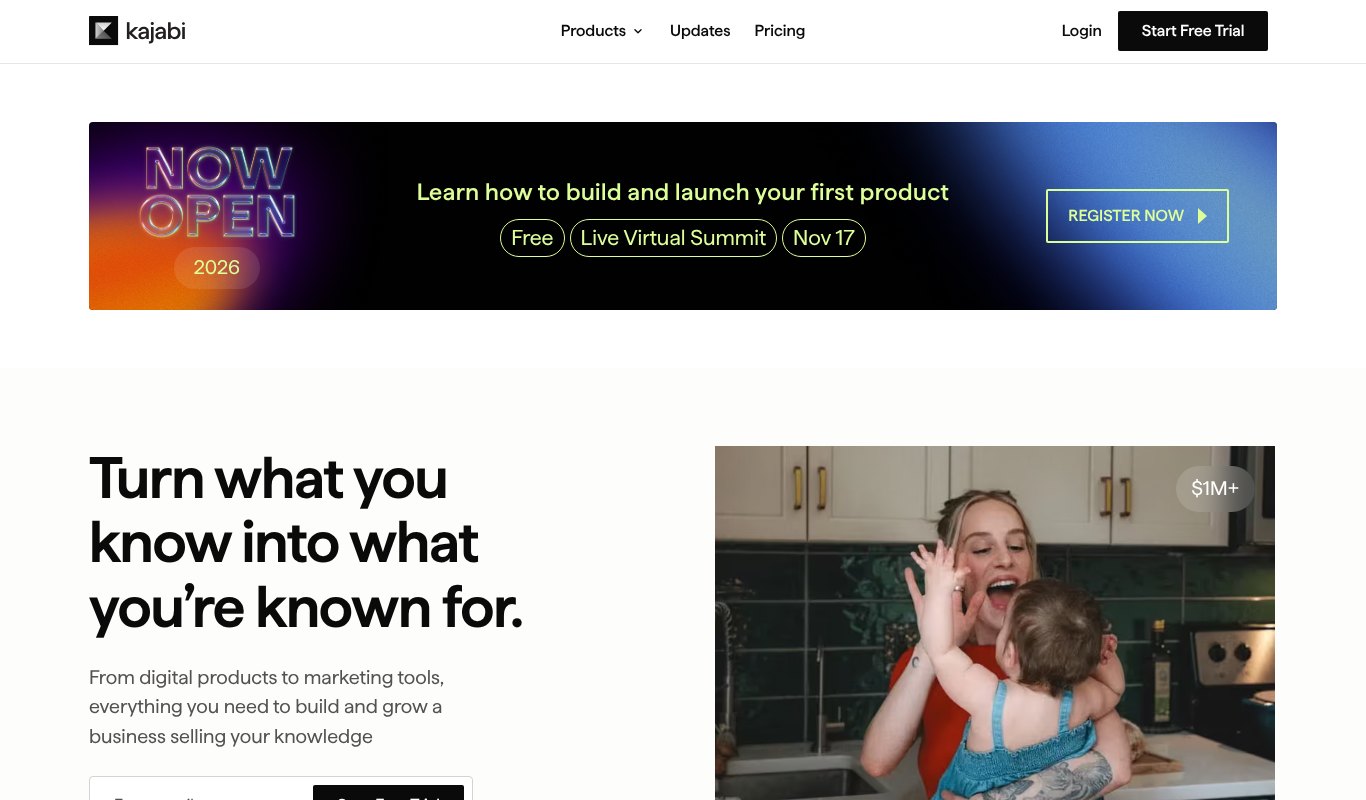
Kajabi is built for creators who sell knowledge. Courses, coaching, communities, podcasts and digital downloads, plus the funnels and emails to sell them.
It's polished and easy. You don't need to piece anything together.
But it's one of the most expensive options here, so it makes the most sense once you're already earning.
Pros
- Excellent for courses and communities
- Polished and easy
- No transaction fees on paid plans
Cons
- Expensive
- Less flexible for non-course businesses
Pricing
Kickstarter is $143 a month, billed yearly. Basic is $199 and Growth is $399 a month.
The 5 Pages Every Sales Funnel Needs
Whichever tool you pick, a simple funnel that sells usually has these five pages.
- Opt-in page. Offer something useful for free, like a checklist or a short guide, in exchange for an email.
- Sales page. Explain the problem, show the solution and answer doubts before they come up.
- Checkout page. Keep it short. Add an order bump, a small extra offer that people can tick with one click.
- Upsell page. Right after purchase, offer a bigger upgrade. Buyers are most willing to say yes now.
- Thank you page. Confirm the order, tell people what happens next and invite them to join your community or follow you.
Then let your email follow-up do the heavy lifting for everyone who didn't buy the first time.
Hosted or Self-Hosted, What's the Difference?
Most funnel builders are hosted. You log in to their website, build your pages there and pay every month to keep them online. Stop paying and your funnels go dark.
A self-hosted builder like CloudFunnels installs on your own web hosting, the same way WordPress does. Your pages, your customer list and your sales data sit on a server you control.
Hosted tools are a little quicker to start. Self-hosted tools usually cost far less over time and give you more freedom.
If you already pay for hosting for your website, a self-hosted funnel builder is often the smartest money you'll spend this year.
4 Funnel Numbers Worth Watching
You don't need a fancy dashboard. Keep an eye on these four numbers and you'll know exactly where to improve.
Opt-in rate. Out of 100 visitors, how many give you their email? Under 20 usually means the offer or headline needs work.
Sales page conversion. How many people who see the offer actually buy? Small changes to the headline, price display or guarantee can move this a lot.
Upsell take rate. What share of buyers say yes to the upgrade? Even 15% can add a big chunk to your profit.
Email clicks. If people open your follow-ups but don't click, make your call to action clearer and give one simple next step.
Fix the weakest number first. That's where the biggest win is hiding.
How to Choose the Right Funnel Tool
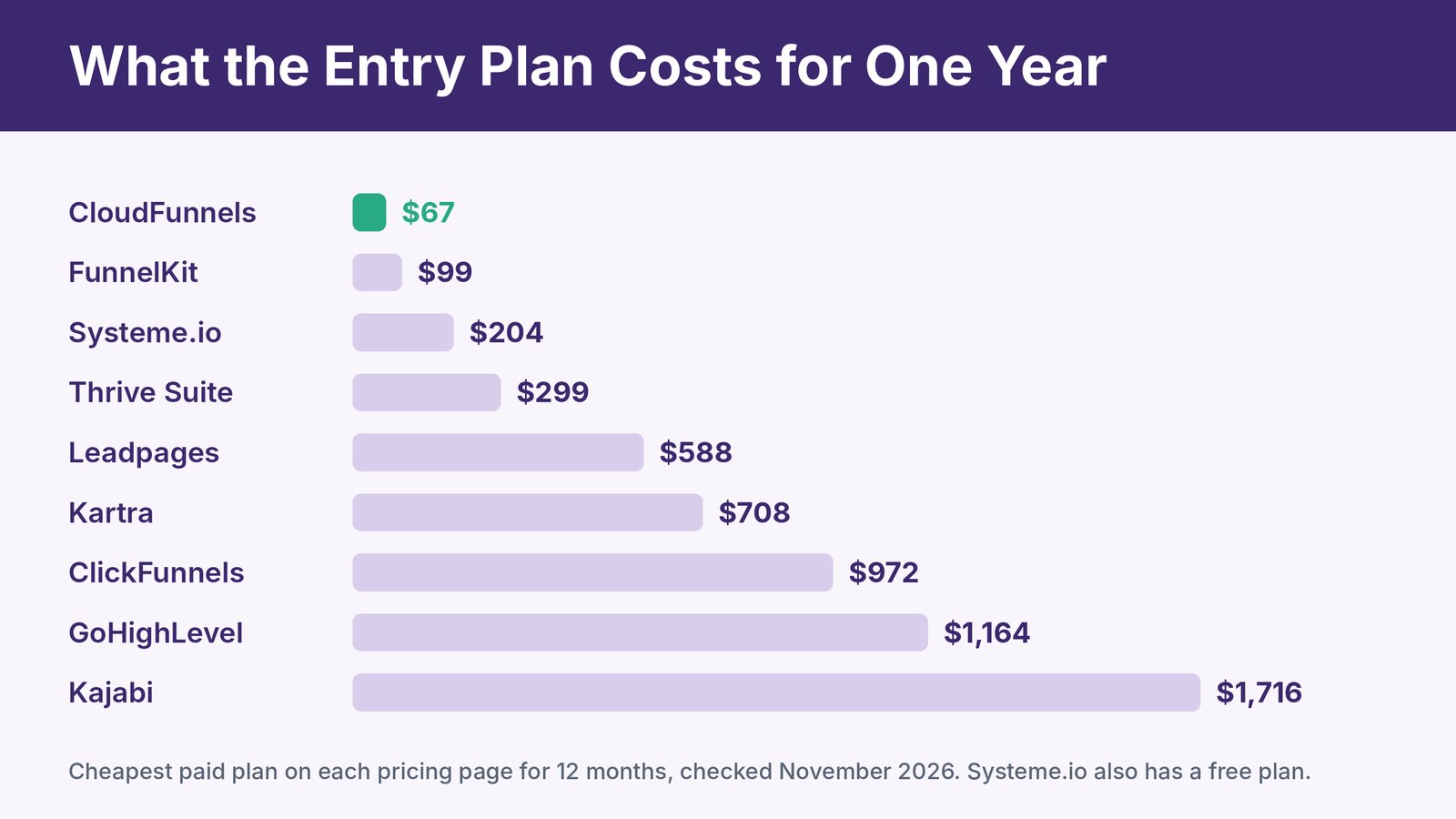
Count the yearly cost, not the monthly one. A $97 a month tool is $1,164 a year. That number matters.
Check what's included. If you'll need a separate email tool, add that cost too.
Think about ownership. Self-hosted tools like CloudFunnels keep your pages and list on your own server. Hosted tools are easier, but you rent everything.
Match the tool to your business. WooCommerce store? FunnelKit. Courses? Kajabi or Kartra. Agency? GoHighLevel. Everything on a budget? CloudFunnels or Systeme.io.
Common Funnel Mistakes to Avoid
- Too many steps. Every extra click loses people. Cut anything that doesn't help the sale.
- Slow pages. A page that takes five seconds to load leaks visitors fast.
- No follow-up. Most buyers need several reminders. Set up an email sequence from day one.
- Never testing. Change one headline or button at a time and keep what wins.
- Ignoring mobile. Most of your visitors are on phones. Check every page there first.
Frequently Asked Questions
What is the best sales funnel tool for beginners?
CloudFunnels and Systeme.io are the easiest on the wallet. CloudFunnels gives you templates, AI, email and checkout for $67 a year.
Is there a cheaper alternative to ClickFunnels?
Yes. CloudFunnels costs $67 a year, while ClickFunnels starts at $81 a month billed yearly.
Do I need a website to use a funnel builder?
No. Funnel pages can live on their own domain or a subdomain. Most tools, including CloudFunnels, let you publish without a separate website.
Can I build a funnel without coding?
Yes. Every tool on this list uses drag and drop editing and ready-made templates.
Can I move my funnels from another builder?
Yes. CloudFunnels can bring funnels over from other funnel builders with one click, so switching doesn't mean starting from scratch.
Do funnel builders help with SEO?
Some do more than others. CloudFunnels lets you set titles and meta descriptions, uses clean mobile-friendly pages and supports caching, which all help your pages rank.
How many pages should my first funnel have?
Start with three. An opt-in page, a sales page and a checkout. Add upsells once the basics are converting.
Final Thoughts
A good funnel tool pays for itself many times over. A pricey one can quietly eat your profits.
Look at the full yearly cost, check what's included and pick the tool that fits how you sell.
If you want templates, AI, email, memberships and checkout in one place without monthly bills, try CloudFunnels. It's just $67 a year.